
What is Praxora?
And what is my vision for the future of medical education?
This is an example of a clinical vignette question:
A 58-year-old man with a history of hypertension and a 30 pack-year smoking history presents to the emergency department with chest pain that started 2 hours ago. He describes the pain as a pressure-like sensation radiating to his left arm, associated with diaphoresis and nausea. His blood pressure is 148/92 mmHg, heart rate is 102 bpm, respiratory rate is 18/min, and oxygen saturation is 96% on room air. An ECG shows ST-segment elevation in leads II, III, and aVF. Troponin is pending.
Which of the following is the most appropriate next step in management?
A) Administer aspirin 325 mg and activate the cardiac catheterization lab
B) Obtain a chest X-ray and wait for troponin results
C) Start a heparin drip and admit to the general medicine floor
D) Perform an echocardiogram to assess wall motion abnormalities
E) Administer nitroglycerin and observe for 30 minutes
Questions like these are considered the gold standard in medical education. They are the backbone of the USMLE Step exams, shelf exams, and virtually every high-stakes assessment a medical student will face. However, when you go to a clinic, you are NOT given a neat descriptor of information. You are given a history, some vitals, and A PATIENT in a hospital bed.
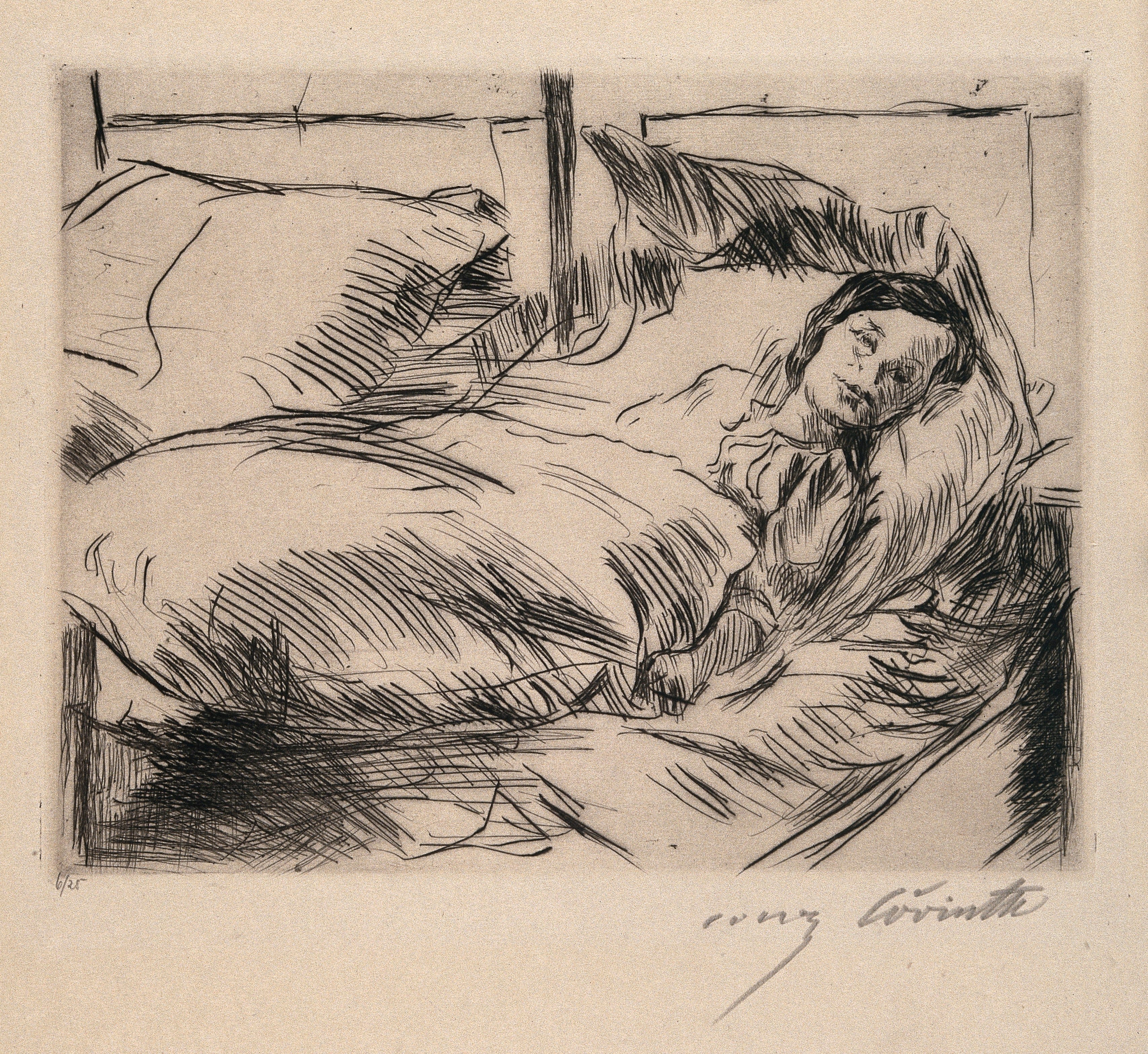

There is a clear gap between the vignette question and the experience given in the hospital. The vignette makes assumptions. It assumes that you will manage to extract the pertinent information from the patient that will lead you to the diagnosis. This, however, can be easier said than done. The communication that occurs between a patient and a provider is an art of its own that needs to be mastered.
Many medical schools acknowledge this and have long tried to supplement this training through clinical skills exams called OSCEs, Objective Structured Clinical Examinations. In an OSCE, students are placed in front of standardized patients, trained actors portraying specific clinical scenarios, and are assessed on whether they can actually extract the information the vignette hands to them for free.
The problem is scale. A single OSCE session requires coordinating trained actors, faculty evaluators, physical exam rooms, and scheduling windows that work across an entire cohort. The result is that most medical students get two or three of these encounters before a high-stakes clinical skills exam. Some get fewer. Once rotations begin, the number drops to zero, replaced by real patients in real clinical environments that operate on completely different terms.
This is the initial pain point that Praxora aims to solve: finding a way to provide students with on-demand clinical skills practice, anytime, anywhere.
However, the overarching goal of Praxora is much greater. I personally find clinical vignettes boring. Instead, I want the process of learning medicine to be low-stakes, fun, and exciting. In other words, I want to gamify medicine.
Take the job of truck driving. There are many people who work this job legitimately as a means to earn a living. However, oddly enough, there is also a cohort of people who simulate the job of a truck driver, spending thousands of dollars and hours building elaborate simulation setups in their living rooms.
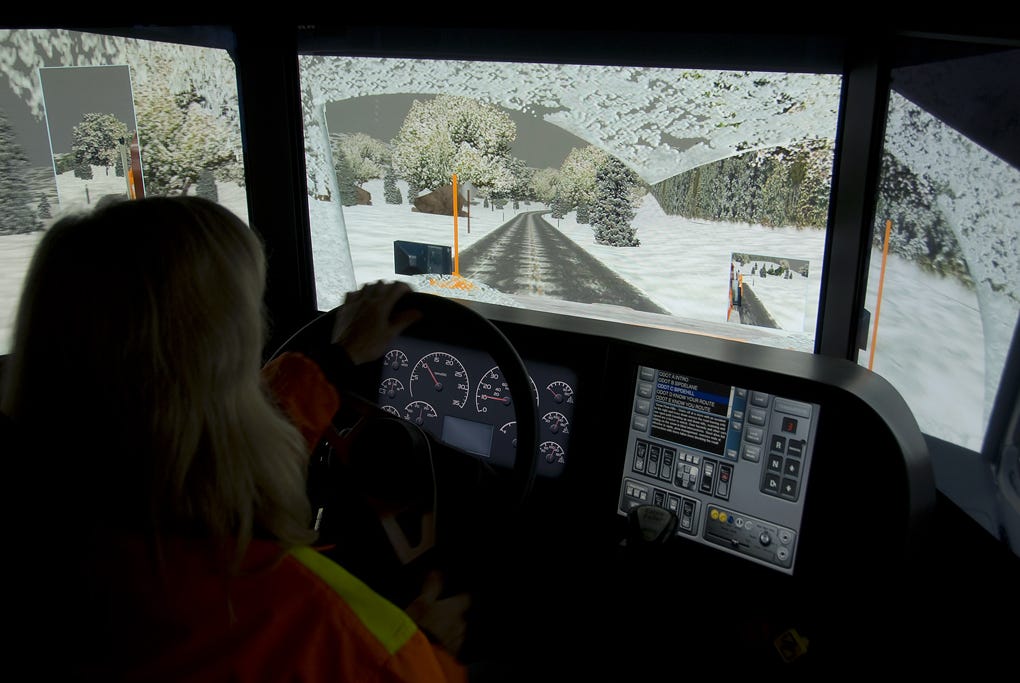

Nobody is making them do this. There is no exam at the end, no grade, no credential on the line. They do it because the simulation itself is compelling. The act of navigating a rig through a mountain pass at night, managing gear changes and weather and blind corners, is genuinely engaging when the stakes are low and the feedback is immediate.
That is what medicine should feel like to learn. Not a multiple choice question with five options and a two-line stem. A conversation. A person sitting across from you, telling you their chest has been hurting for two hours, and you having to figure out what questions to ask next.
When learning feels like play, people do more of it. They practice at 11pm not because they have to but because they want to see if they can crack the case. They run the scenario again after getting feedback because the feedback actually meant something. They share cases with their friends the way gamers share levels. This is the version of medical education I want to exist. Praxora is the first step toward it.
We are releasing a minigame version of our app in the next few weeks, so if you are interested in Praxora, please visit our website: praxora.org.
So awesome